Polyvinyl butyral has its roots in the inventive push of the early 20th century, closely linked to the rise of safer laminated glass. The earliest patents covering PVB came about through research looking for a resin to keep glass from shattering on impact. Car windshields created a clear demand for something stronger than basic glass, yet more flexible than the alternatives of the day. Pioneering chemists realized that acetalation of polyvinyl alcohol could form a resin tough enough for this task, and by the late 1930s, production expanded on a commercial scale. This breakthrough spread quickly to architecture, electronics, and beyond, as industries sought better impact resistance along with the ability to tailor clarity and strength. These early decades turned PVB from a specialty material into a mainstay in laminated glass production around the world.
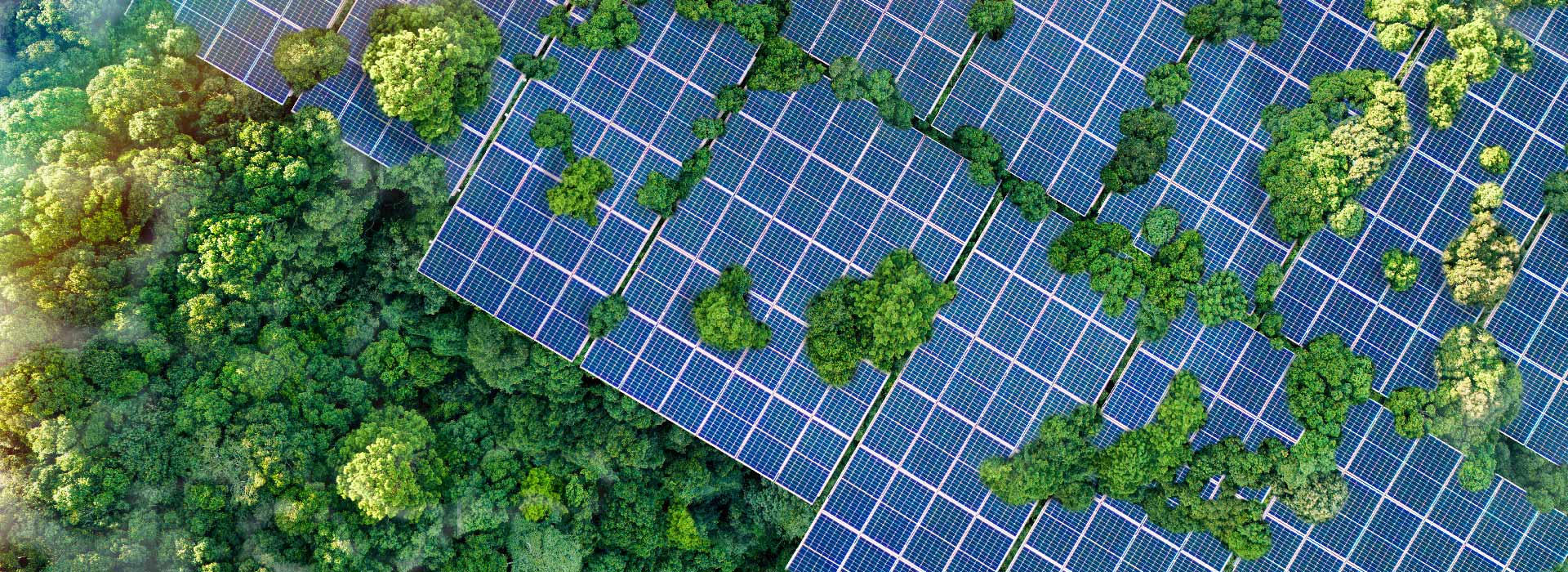
Over the years, polyvinyl butyral film has become known for its strong yet flexible profile. The resin appears as a clear, tough thermoplastic, typically delivered in rolls or sheets. Its slightly tacky nature helps it bond to glass during the lamination process. Manufacturers offer various grades distinguished by thickness, color, adhesion properties, and plasticizer content. Supply trains stretch from chemical producers to converters customizing the material for auto, construction, and specialty applications. Most recognize PVB as the defining interlayer in car windshields and architectural glass, while niche uses may include solar panels or flexible electronics substrates. Common trade names include Saflex, Butacite, and Trosifol, among others.
Anyone handling PVB film can note its slightly rubbery texture, high clarity, and good flexibility even under cold conditions—attributes owed largely to its molecular makeup. Its glass transition temperature falls between 60–70°C, offering a soft yet dimensionally stable resin. PVB resists water, some solvents, and many acids, though strong alkalis break down the polymer backbone. It boasts a density close to 1.07 g/cm³, and a refractive index around 1.48, supporting its role in optical applications. The film also shows decent elongation at break and can handle sharp impacts without breaking apart, a key reason why it’s selected for safety glass. Thermal decomposition occurs past 200°C, so processing and lamination must be managed below this point to keep integrity high.
Industry standards call for careful tracking of grade, thickness (typically 0.38 mm or 0.76 mm), color (clear, tinted, or colored), plasticizer percentage, and batch numbers. Roll widths may reach over two meters based on end use. To help laminators and builders, packaging often carries shelf life and storage instructions, since PVB absorbs moisture from the air and needs humidity-controlled environments. The resin falls under various harmonized system codes for trade and customs and must comply with certifications like EN ISO 12543 or ASTM C1172 for technical glass. Some regions ask for recertification of material batches based on optical clarity, roughness, or adhesion, which further raises the bar for quality control.
Polyvinyl butyral forms through a two-step process. First, manufacturers create polyvinyl alcohol by hydrolyzing polyvinyl acetate. Next, they introduce butyraldehyde under acidic conditions, triggering acetalation reactions between the alcohol groups and butyraldehyde, forming PVB. Controlling temperature, pH, and reaction time impacts final properties like film softness and clarity. After reaction, the material is washed, neutralized, and plasticized. Plasticizers such as triethylene glycol di-2-ethylhexanoate are blended in to boost flexibility. Sheet extrusion or casting on cooled drums shapes the finished film. Each step builds in the clarity, strength, and workability that glass laminators count on.
Chemists don’t stop at the base PVB formula. Modifications at the polymer backbone or side groups alter solubility, adhesion, color stability, and resistance to ultraviolet radiation. Newer generations integrate functional additives, such as UV absorbers, colorants, or adhesion promoters for compatibility with coatings or specialty glass. Crosslinking agents might be added before extrusion to boost chemical resistance or to mask moisture uptake. Some research explores grafting other polymers onto the PVB backbone to impart antimicrobial or self-healing features. These advances aren’t just lab experiments—real-world suppliers continually tweak formulas to fit the shifting specifications demanded by car makers or building codes.
Besides polyvinyl butyral, people may spot terms like PVB resin, poly(1,3-butanediol vinyl acetal), and the older name Butvar. Trade names reflect the branding of manufacturers: Saflex and Butacite by Eastman or Kuraray’s Trosifol. Each label denotes slight variations in formulation but refers to the same core polymer developed from polyvinyl alcohol and butyraldehyde. Labels on packaging indicate grade, performance class, and specialized properties such as high adhesion or enhanced UV protection.
PVB film brings very few safety risks under standard handling. Workplace guidelines call for well-ventilated storage areas—since plasticizer odors can build up—and gloves during cutting or trimming to avoid skin contact or cuts. The films themselves won’t burn easily but can release fumes if exposed to fire or hot surfaces above 200°C, so fire codes classify storage with other thermoplastics. Transportation rules address roll stability and moisture protection, as rolls can deform if exposed to excess humidity. Processing facilities need to monitor exhaust and manage plasticizer emissions, but PVB generally rates well in toxicity studies and poses little risk to users or end consumers.
On a daily basis, billions interact with laminated glass in vehicles, storefronts, or high-rise towers—more than they realize. PVB film acts as a shield against shattering, adding quiet comfort inside a cockpit or office building. After years working alongside glaziers and auto-body shops, it’s clear that the strength of a bonded PVB layer inside windshield glass can make the difference between walking away from a crash and suffering severe injuries. In construction, architects prefer it not just for safety but for noise reduction, energy savings, and even UV block, which protects furniture and people from sun damage. Newer solar photovoltaics and lightweight electronics rely on specialty PVB grades as encapsulants thanks to its clarity and stability. Each decade opens doors to tougher, more adaptable applications, often driven by new safety standards or sustainability mandates.
Polyvinyl butyral isn’t standing still. Research teams worldwide keep pushing for films that last longer, offer better optical clarity, or come from greener raw materials. Development focuses on reducing the use of phthalate plasticizers, boosting recyclability, or integrating smart functions like heat control and active tinting. Academics and manufacturers collaborate on advanced lamination methods, where thinner, stronger films can make glazing lighter and safer at the same time. The rising demand for crash-resistant glass in electric vehicles, as well as the call for hurricane-proof windows in coastal regions, keeps research active and well-funded. Venture into corporate labs and you’ll spot next-generation PVB composites supporting flexible touchscreens, lightweight insulation, or energy-generating windows in cities piloting smart infrastructure.
PVB’s low acute toxicity profile separates it from harsher chemicals in the industrial plastics world. Studies so far show low skin or eye irritation and no significant long-term risk for workers following proper factory practices. The films themselves don’t break down into harmful monomers under normal use. Concerns focus on plasticizers, especially aging phthalate types, which can leach in hot climates or after years in the field. New regulations across Europe and North America push for alternatives, and suppliers have responded with safer migration-resistant choices. Long-term environmental impact has started to draw attention, especially with growing volumes of glass recycling seeking ways to reclaim or safely dispose of used PVB. Emerging research tracks breakdown products under landfill or incineration, ensuring that future production and recycling keeps pace with evolving health and environmental norms.
Growing cities, tougher safety codes, and the pull toward renewable energy sources all create new chapters for polyvinyl butyral film. Manufacturers see pressure to deliver lower-carbon footprints, cleaner chemistry, and better end-of-life solutions, especially as glass recycling rates climb in the automotive and construction sectors. Future prospects include biobased or recyclable PVB grades, advanced composites for smart windows, and applications in battery construction or flexible electronics. If industry can close the loop on collection and reuse, large amounts of end-of-life material could re-enter the supply chain, sharply cutting waste. Over the coming decade, demand will likely flow from emerging markets investing in urban infrastructure, as well as high-performance glazing for energy efficiency worldwide. The interplay of chemistry, mechanical engineering, and sustainability ensures that PVB film both reflects and shapes the evolving needs of our built environment.
Every time someone hops into a modern car or glances around a city full of glass facades, they’re surrounded by material designed to keep them safer than they might realize. Polyvinyl butyral film—PVB—plays a big role here. Spread between layers of glass, this resilient film holds the glass together if there’s an impact. In a car crash or a stray baseball through a storefront window, regular glass would shatter dangerously. With PVB in play, it turns what could become shards into a spider web of safe, stuck-together fragments.
Years ago, older cars and buildings didn’t use laminated glass. Accidents would send jagged shards flying. The introduction of PVB took the edge off—literally—by trapping broken glass and protecting drivers, pedestrians, and bystanders from injury. Automakers and architects now count on PVB film not just for windshield safety, but in sunroofs, side windows, and massive plate-glass surfaces that make up today’s architecture.
Cities grow louder each year, and with that comes the challenge of keeping our spaces calm. PVB film doesn’t just hold glass together—it also cuts out a surprising amount of street noise. In my own apartment, windows featuring PVB made working from home during a busy construction season much less stressful. Conversations, car horns, shouting—everything seemed to shrink away.
Sunlight might look harmless shining through the window, but invisible ultraviolet rays can bleach furniture, damage artwork, and even harm skin over time. PVB helps block these UV rays. That means less sun-fade on your favorite couch, less risk for anyone spending long hours in rooms dominated by daylight, and fewer headaches for those preserving historical sites or priceless art behind glass.
PVB laminates do a lot more than just stop glass from shattering and sunshine from streaking through. In an era of rising energy bills and growing climate concerns, buildings now turn to PVB for improved insulation. Modern PVB films reflect heat and keep interiors cooler in blazing summers and warmer in biting winters. Skyscrapers and schools equipped with advanced PVB-laminated glass see measurable drops in heating and cooling costs.
Much of the world replaces glass constantly, whether after extreme weather or simple aging. There’s been a push to recycle the glass itself—and PVB has a role to play here too. Companies have started reclaiming and recycling PVB from old windshields and windows, turning it into new films, industrial plastics, and even materials for shoe soles and flooring. It’s far from a perfect circle yet, but every step counts toward slashing landfill waste.
Problems remain, like finding truly efficient ways to separate PVB from glass for recycling, or developing films with even better noise control. Research pushes forward, chasing films that stand up better to fire, weather, and chemicals. We each owe a lot to this invisible film, whether we notice it or not. Safer roads, quieter homes, lower sun-damage on everything we value—PVB has carved a quiet niche in the heart of modern life and innovation.
If you’ve ever taken a close look at the inside of a car windshield, you’ve seen the result of Polyvinyl Butyral at work. PVB film acts as the quiet force behind the safety and resilience of laminated glass. In the event of an accident, this thin, flexible layer bonds two sheets of glass together. Instead of shattering into dangerous fragments, the broken glass sticks to the film. As someone who’s watched a windshield crack and not collapse inward, I can say it’s far more than a theoretical benefit. This property alone has saved countless lives and reduced injuries in traffic collisions across the globe.
All the safety in the world doesn’t help if the materials don’t hold together. PVB stands out for its powerful grip on glass surfaces. More than just sticking one thing to another, strong adhesion means the glass and film form a tough sandwich. Reports from material science research, including studies published in journals such as Composites Part B: Engineering, note the way PVB’s molecular structure allows it to form tight, enduring bonds with non-porous surfaces like glass. This is why laminated glass panes don’t peel apart over time, whether they’re in car windshields or skyscraper façades.
A windshield doesn’t do much good if it turns cloudy or distorts whatever’s on the other side. PVB’s optical clarity makes it a top choice for applications demanding clear vision. In my work with architectural specialists, requests often focus on maintaining a sharp, distortion-free view. PVB delivers, transmitting over 85% of visible light, enabling drivers and building occupants to see clearly and safely. This high level of clarity also helps architects design buildings with floor-to-ceiling windows, bringing in more natural light and cutting down on energy costs.
Modern city life brings lots of noise. Double-glazed windows and glass fronts can only do so much without a little help. PVB gives an extra advantage by muffling external sounds. Families in busy areas and workers in open-plan offices often report a noticeable drop in outside disruption thanks to PVB’s ability to block and absorb sound waves. Data from building acoustics research supports these claims, showing that glass incorporating PVB film reduces unwanted noise better than plain glass.
Weather can be harsh on building materials, from UV rays to rain and wide swings in temperature. Unlike some plastics that yellow or turn brittle in the sun, PVB resists ultraviolet light, staying clear and flexible for decades. Companies working on high-rise projects invest in glass with PVB not just for safety, but because it stands up to years of direct sunlight and extreme cold without losing its grip or clarity. The International Building Code and automotive safety standards both recognize the critical contribution of PVB’s durability in their regulations.
If fire breaks out, every minute counts. PVB slows the spread of flames by holding shattered glass in place, helping to contain fire and smoke. Real-life incidents have shown that structures equipped with laminated glass using PVB perform better under fire stress. Fire resistance adds a much-needed layer of safety in commercial spaces and public buildings.
Materials that provide multiple benefits matter in today’s world. PVB keeps glass secure, improves comfort, lowers noise, and lasts for years, all while meeting tough safety rules. Anyone working in construction, automotive repair, or architecture needs to understand these strengths. For people living or working behind glass every day, PVB helps provide a safe and quiet space.
Ask anyone who has taken a hardball hit to a car windshield or watched a storefront stay standing despite a strong blow—laminated glass does its job. The backbone of this protection is polyvinyl butyral, or PVB film. I’ve watched auto glass specialists peel apart cracked windshields, and you can see the PVB’s work in the way the glass clings together rather than falling into sharp shards. PVB’s job is simple but critical: hold broken pieces together, soak up energy, and keep the danger facing out, not flying in.
On city streets, you see high-rise towers full of shiny windows. Those are not just for show; regulations all over the world demand they resist impacts and, if broken, not collapse inwards. PVB film has become a staple for several reasons. Its flexible plastic makeup absorbs shocks, distributes force across the surface, and keeps visibility clear. Actual injury rates underscore the need for good safety glass. According to the U.S. Consumer Product Safety Commission, glass doors and windows send more than 300,000 people to emergency rooms yearly. Cars benefit, too. The National Highway Traffic Safety Administration says PVB-layered windshields cut occupant ejections and reduce head injuries in crashes.
With PVB between two or more sheets, glass resists shattering. During my time consulting for renovation projects, glaziers always mentioned the “soft” middle layer saves cleanup and injury. Storms and accidents bring real sudden tests. PVB film soaks up the blow, slowing projectiles and helping keep glass barriers in place.
UV resistance and clarity also matter. I’ve seen laminated glass hold up for years under relentless sunlight, especially tinted versions that use the right PVB blends. This is no one-size-fits-all solution, though. PVB comes in different thicknesses and grades, letting builders tweak sound insulation, tint, or strength.
Problems sometimes show up around the edges. Poor lamination can lead to delamination, where moisture gets in and bubbles form. I’ve seen this around pool houses, where the air stays damp. Strong adhesives and tight sealing help, but installers and manufacturers need to pay attention right through to the perimeter. Another headache comes from temperature swings. If binding isn’t solid, freezing and hot spells can lead to breakdown or “milky” patches.
While PVB holds up under force, it can lose some toughness under fire. Regular glass shatters with heat, and although PVB keeps shards in place at moderate temperatures, sustained flames will break down the polymer. For projects at risk of fire, today’s code officers often recommend either thicker glass, tempered glass, or new interlayers that handle heat better.
Pricing sits higher than regular glass, but in most projects, the safety tradeoff speaks for itself. No builders I've worked with want the liability of sharp-edged glass flying around. With the right installation and up-to-date product, laminated glass with PVB film stands up strongly—on city bus stops, jewelry shops, and family cars alike.
Better testing standards and ongoing innovations keep improving things for both installers and users. Anyone choosing glass for safety or security reasons does well to learn from the tough jobs: crashing winds, blunt impacts, the surprise spill of hot coffee on a cold morning. Glass and PVB combo has proven over decades to meet those moments and protect what matters most.
Polyvinyl butyral film, or PVB as most folks in the industry call it, plays a quiet but essential role in modern safety glass. Sit at a coffee shop, and there’s a good chance the window next to you uses PVB between its glass panes. The right thickness of this film can mean the difference between glass that stays together in an accident and glass that shatters dangerously.
Across factories and glass shops, the most common PVB thicknesses usually range from 0.38 millimeters up to 1.52 millimeters. Not all glass serves the same purpose, so this flexibility is no accident. Automobile windshields, for example, typically roll off the line with a 0.76-millimeter PVB layer. That thickness offers plenty of impact resistance to hold glass together during a crash. Architects often call for thicker films, especially for skylights or large storefront panels, where extra strength and sound dampening become more important. Laminated glass used for hurricane-prone areas often goes straight to the thicker end of that range—sometimes stacking films if a single layer isn’t enough.
PVB film doesn’t come in a one-size-fits-all roll. It shows up in a range of widths, usually somewhere from 600 millimeters to 3,200 millimeters. Lengths on each roll stretch out as far as production lines allow, with 200 meters standard in many industries, but sometimes reaching 400 meters or more for high-volume orders. Bigger panels need wider, longer rolls. Smaller windows or custom jobs use narrower stock.
Working in a glass shop, you get a feel for these choices pretty quickly. Long rolls mean less waste, but they’re tough to handle if your team is short-handed. On a big building or an auto assembly line, those long rolls save a lot of time because you don’t have to stop and splice material every few feet. Some projects need special custom-cut sizes, though, especially decorative pieces that curve or have unique shapes. The flexibility in sizing lets shops keep costs down and quality up.
Brochures and spec sheets might show off thicknesses and widths, but real-world experience says the value of PVB comes down to more than measurements. Consistent thickness across a roll makes installation smoother and the end product stronger. Variations—sometimes barely visible—can cause bubbling between glass layers or uneven strength. Manufacturers have stepped up quality controls by investing in high-precision rollers and better moisture control. Everyone from architects to repair techs should ask questions about these details, not just the numbers printed on labels.
Construction and automotive teams make smarter decisions with clear data. If clear specifications on PVB film aren’t available, problems surface later when a finished product fogs up or doesn’t pass safety tests. Industry watchdogs like ASTM (in the US) and EN standards (in Europe) set guidelines for glass performance, including what thickness and size of PVB should be used for different scenarios. Buyers who stay educated about these standards protect clients and the end users—sometimes without ever realizing whose day got a little bit safer.
Anyone sourcing PVB for the first time should insist on proper paperwork and traceability. Documentation can look like a hassle, but if a panel fails or a recall happens, knowing exactly what went into a window might mean the difference between a quick fix and a lawsuit.
Engineers are finding ways to stretch the limits of PVB. Lighter, clearer, and more durable films emerge each year. For example, some companies now blend additives into the film to increase UV protection or cut down on yellowing, letting glass stay clearer for more years. This push toward better performance ties back to the basics: knowing what size and thickness to buy in the first place is part of making safer, longer-lasting glass products.
In a field where the stakes include public safety and serious dollars spent on construction or car manufacturing, understanding thickness and size isn’t an abstract exercise. It stays practical, rooted in hands-on experience, and never loses sight of the people on the other side of the glass.
Anyone who’s ever worked around laminated glass has some experience with Polyvinyl Butyral film, or PVB. This material brings glass together and keeps it shatter-resistant, which really matters in everything from car windshields to skyscraper facades. The thing that stands out about PVB film is its sensitivity to moisture and temperature. Humidity creeps in faster than you might think, and PVB picks up water like a sponge. When that happens, it starts to stick, wrinkle, or get cloudy during manufacturing. At worst, all that hard work goes to waste.
It’s not just the old timers who have stories about ruined rolls. Even seasoned workers sometimes get caught off guard when humidity spikes. I’ve seen more than one production line grind to a halt due to poorly stored film. Dry, cool conditions inside a sealed bag or airtight container will save you headaches. If the air feels humid, there’s a good chance your film is absorbing more moisture than it should.
Once that packaging comes off, the clock is ticking. Skin oil makes a mess of the film’s surface. Fingerprints become permanent shadows in laminated glass. Wearing gloves can feel awkward at first, but cleaning up a smudged panel later is nobody’s idea of a good time. Any tool, rack, or conveyor touching the film should be clean as well. Dust and debris stick to PVB and can lead to bubbles or weak spots in the final lamination. It’s not something you can ignore and hope for the best.
With larger rolls, moving them gently means everything. Dropping or knocking the film messes up the edges. Damaged edges turn into lamination problems—think delamination or jagged finished products. People sometimes rush here, but taking five minutes to check storage racks or material lifts saves a lot of lost material. There’s real money lost every time rough handling ruins a batch.
PVB film doesn’t handle heat well. Above 30°C (86°F), the material softens, gets tacky, and, over time, can block together. I’ve seen shipments arrive in the summer, and within an hour in an uncooled warehouse, the outer layers started sticking. Stick with cooler, air-conditioned storage rooms. Don’t forget about windows—direct sunlight turns storerooms into ovens fast. The best facilities track both temperature and humidity around the clock, not just with an occasional glance.
Ideal storage sits somewhere around 15°C to 25°C, with humidity below 35 percent. Anything outside this window invites problems. Even short dips into higher temperatures can cause changes you can’t reverse. It’s easy to overlook, but I’ve found the little things—well-sealed bags and insulated racks—make the biggest difference.
Some companies use dehumidifiers and climate controls, but having clear reminders and basic training stops more mistakes. I’ve seen companies put up simple charts showing the do’s and don’ts on every storeroom door, and it works. Quick access to gloves, well-designed racks for heavy rolls, and regular cleaning checks help quality more than expensive tech alone. Even labeling open rolls with a date cuts down on waste—older material should get used first.
Storing and handling PVB film comes down to small habits and a bit of vigilance. A clean, dry, cool storage room, careful hands, and good planning will always beat last-minute fixes. In tough markets, every roll saved and hour not lost makes a business stronger—no matter if you’re working in a glass shop or running a big factory.
| Names | |
| Preferred IUPAC name | poly(1,1-dioxybutane-1,4-diyl) |
| Other names |
PVB Film
Polyvinyl Butyral Sheet Safety Glass Interlayer Laminated Glass Film PVB Interlayer |
| Pronunciation | /ˌpɒl.iˈvɪn.ɪl ˈbjuː.tɪ.rəl fɪlm/ |
| Identifiers | |
| CAS Number | 63148-65-2 |
| Beilstein Reference | 3441568 |
| ChEBI | CHEBI:53251 |
| ChEMBL | CHEMBL2106957 |
| ChemSpider | 21106068 |
| ECHA InfoCard | 15b198f2-c784-4e41-8f21-24168288e75a |
| EC Number | 63148-65-2 |
| Gmelin Reference | 54836 |
| KEGG | C01181 |
| MeSH | D017785 |
| PubChem CID | 157375 |
| RTECS number | TRN158900 |
| UNII | A2D3DT7W5V |
| UN number | UN3166 |
| Properties | |
| Chemical formula | (C8H14O2)n |
| Molar mass | 94.114 g/mol |
| Appearance | Colorless, transparent, or slightly yellowish film |
| Odor | Odorless |
| Density | “1.07 g/cm³” |
| Solubility in water | Insoluble in water |
| log P | -0.03 |
| Vapor pressure | negligible |
| Basicity (pKb) | pKb: 6 |
| Refractive index (nD) | 1.485 |
| Viscosity | 25-45 mPa·s |
| Dipole moment | 1.5–2.5 D |
| Thermochemistry | |
| Std molar entropy (S⦵298) | Vinyl butyral polymer: 1.09 J/g·K |
| Std enthalpy of formation (ΔfH⦵298) | -322.0 kJ/mol |
| Std enthalpy of combustion (ΔcH⦵298) | -26.3 MJ/kg |
| Pharmacology | |
| ATC code | Polyvinyl Butyral Film does not have an ATC code |
| Hazards | |
| GHS labelling | GHS02, GHS07 |
| Pictograms | GHS07,GHS09 |
| Signal word | Warning |
| Hazard statements | No hazard statements. |
| Precautionary statements | P264, P280, P302+P352, P305+P351+P338, P332+P313, P337+P313, P362+P364 |
| NFPA 704 (fire diamond) | 1-1-0 |
| Flash point | >100°C (212°F) |
| Autoignition temperature | 315 °C |
| LD50 (median dose) | >5000 mg/kg (rat) |
| PEL (Permissible) | 50 ppm |
| REL (Recommended) | 0.1-1.52 mm |
| Related compounds | |
| Related compounds |
Polyvinyl alcohol
Butyraldehyde Polyvinyl acetate Ethylene vinyl acetate Polyethylene Polycarbonate Cellulose acetate |


