Long before laminated windshields became a crash-standard, glass safety set a much different standard. Kuraray did not set out to simply follow in the footsteps of competitors. With a vision for safer cities, greener energy, and dynamic architecture, the company pushed technology in a new direction. Polyvinyl butyral (PVB) became the building block of that ambition. It all started in the early 20th century, shortly after the initial discovery of PVB resin in Germany. Engineers learned that mixing polyvinyl alcohol with butyraldehyde made a tough, flexible plastic that stuck to glass. This new material changed everything about what could be done with safety glass. Kuraray picked up the thread decades later, building on these early formulations with a spirit of relentless improvement.
Experience shows that the path of progress rarely looks like a straight line. Kuraray researched applications and worked closely with partners to solve real engineering problems, not just create new products. For instance, in the 1970s, when automakers needed more robust solutions for safety, Kuraray’s development teams optimized PVB films to perform through thousands of hours of weather testing and high-impact collisions. Over the years, PVB evolved beyond just car glass. Designers and construction firms started demanding transparent structural elements that could stand up to both natural disasters and daily wear. Kuraray’s PVB lines adapted to meet these needs, pushing into architectural glazing, solar power modules, and security panels.
Think back to the last time you sat in a modern car. The calm during a hailstorm, the lack of flying shards after a roadside impact, often traces back to laminated glass engineered with Kuraray PVB interlayers. The value here lies not just in the resin or the process, but in what it brings to daily life: fewer injuries, quieter cabins, and more confidence on the road. Elevated sound dampening, UV filtering, and energy absorption—features often discussed on paper—directly affect people’s comfort and safety. In city skylines, PVB-laminate balconies and facades keep glass together under pressure from storms or even explosions, adding to not just aesthetic brilliance but real-world protection.
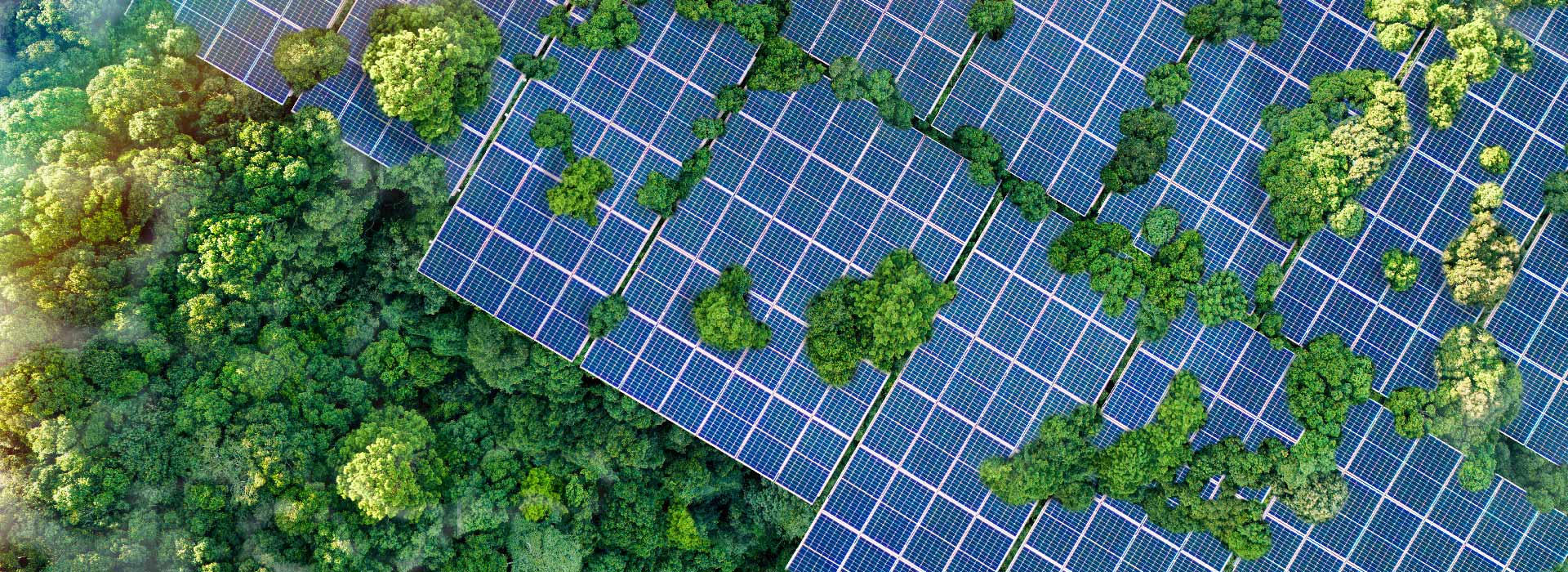
Kuraray’s approach to making PVB separates it from the pack. They pour R&D funding into cleaner production and higher durability, which helps cut down on waste and keep certified environmental standards in reach. This commitment helps earn trust with regulators, architects, and engineers who do not want to gamble on quality. For folks working in solar, the role of PVB has broadened again. High-transparency grades let more sunlight through panels, improving the power output of every square meter. It is not smoke and mirrors; independent tests back up these claims. Every new architectural landmark or solar field asks more of its materials, and Kuraray works hand-in-hand with builders to fine-tune PVB sheets so they perform reliably in harsh sun, heavy rain, or freezing snow.
No company earns a spot in so many industries by standing still. Instead of waiting for standards to shift, Kuraray listens to new problems and chases new science. In hospital windows that block both noise and germs, in museum display cases shielding priceless art from UV rays, and in wind turbines facing daily battering, Kuraray PVB adapts and protects. The company’s scientists do not just tweak recipes—they rethink what PVB can do, exploring nanomaterial reinforcements for even higher toughness, new recycling strategies that close the loop on old glass, and safer additives for environments where toxicity raises real concerns.
This philosophy matches what many in manufacturing, construction, and transport want: reliability with an eye on tomorrow. Trace the roots of major building projects in Asia, North America, and Europe, and a clear pattern emerges. Those who trust Kuraray PVB keep choosing it, citing fewer field failures, streamlined processing, and consistent clarity. It leaves room for bold architects to use bigger glass panels, designers to create brighter and quieter spaces, and engineers to run safer assembly lines.
The world changes fast. Urban population swells put more stress on infrastructure. Storm intensity rises as the climate warms. Customers demand tougher security and sleeker design all at once. Kuraray does not shrink from these demands. Instead, it connects the challenges to long-term answers: clearer and safer windows for energy-efficient homes, proven interlayers for blast-resistant government buildings, and custom films for cutting-edge electric vehicles.
In my own years working with construction professionals, the decision on safety glass rarely comes down to a price tag alone. Trusted partners matter more. Kuraray’s track record of meeting project deadlines, offering technical support on-site, and backing its products with long-term partnerships has real weight. More than a century since PVB’s discovery, the story of Kuraray PVB serves as proof that good science, open dialogue with customers, and a readiness to adapt can drive both business and wider societal progress. If the next step means finding fresh answers to tomorrow’s safety or sustainability hurdles, Kuraray’s history signals the company’s willingness to lead the way, not just catch up.


